III
The Lived Worlds
The domains people moved through. Magazine, class, drugs, television, body, fashion, nightlife.
 3
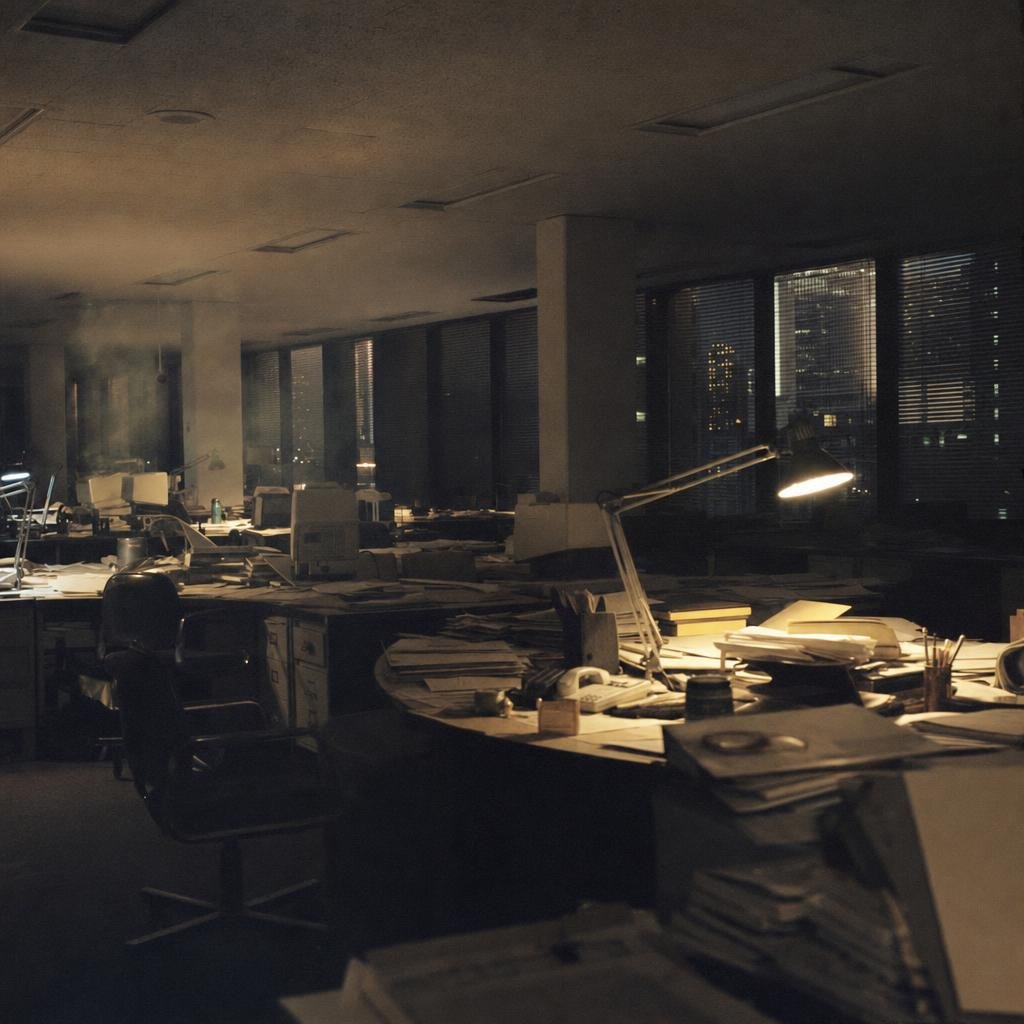
3The machine, its rooms, its ranks, its objects.
The Magazine
- 3.1Spatial Hierarchy: Who Gets a Window
- 3.2Production: The Paste-Up Era, 1989–1994
- 3.3Production: The Desktop Publishing Revolution, 1994–2001
- 3.4The Photograph: Contact Sheets, Lightboxes, Selects, 1989–2001
- 3.5The Pitch Meeting, 1984–1992
- 3.6The Masthead: Race, Access, and What Diversity Stopped
- 3.7The Bike Messenger
- 3.8The Sensory Office: HVAC, Light, Sound, Smell
- 3.9Office Communication: The Phone, the Fax, and the Message Slip
- 3.10Drugs in the Office: Cocaine as Deadline Fuel, 1985–1995
- 3.11Television and the Magazine World
- 3.12The AIDS Void: Empty Desks and Editorial Decisions
- 3.13Print Journalism's Existential Crisis, 1989–2001
- 3.14The Newspaper Wars: New York's Print Battlefield, 1989–2001
- 3.15The Bushnell Column: What the Text Actually Was, 1994–1996
- 3.16Photography and Image Culture, 1989–2001
- 3.17Knowing Things for a Living, 1989–2001
- 3.18Foreign Correspondence: The Working Life, 1989–2001
 4
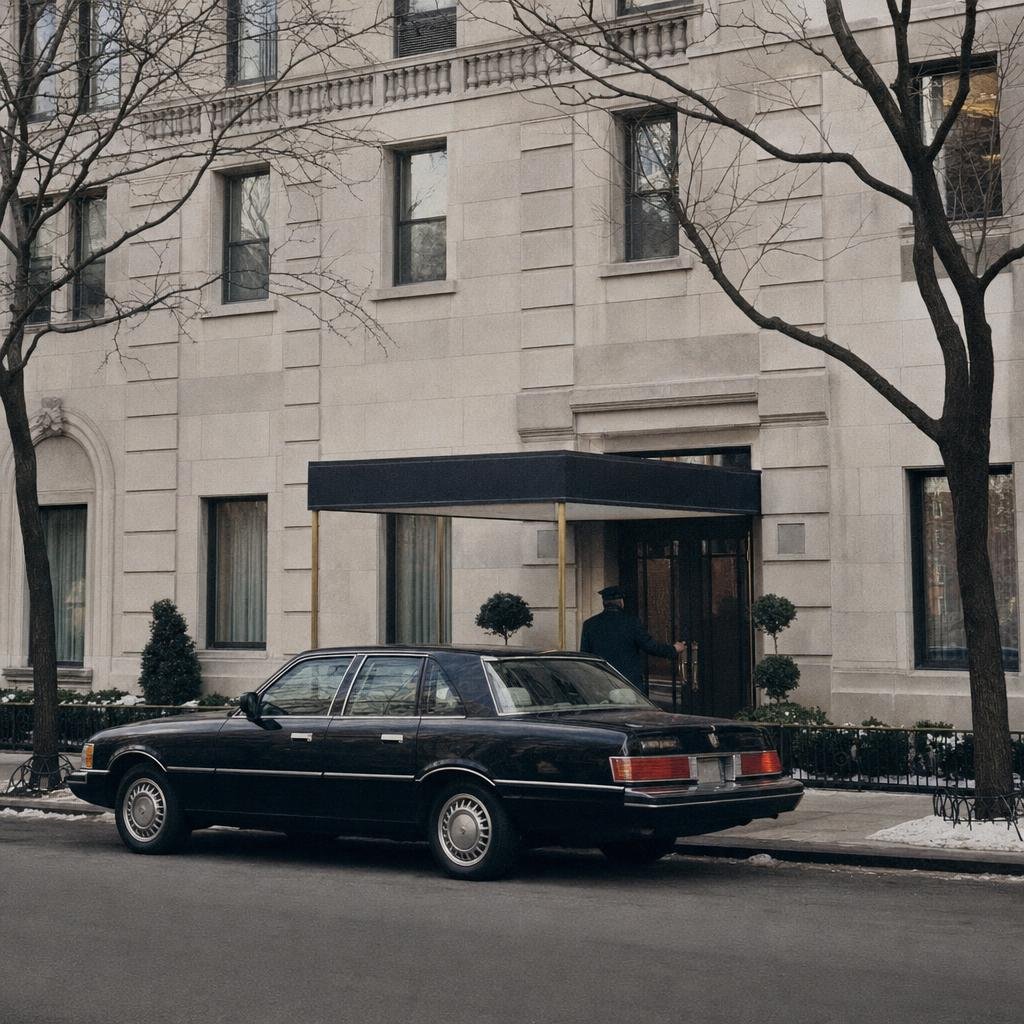
4Old money, new money, and the geography that separated them, 1989–2001.
Class and the City
- 4.1Theoretical Framework: The Habitus of the Dual City
- 4.2The Taxonomy of Classes
- 4.3Geography of Gentrification, 1989–1994
- 4.4Geography of Gentrification: 1994–1998
- 4.5Geography of Gentrification: 1998–2001
- 4.6Status Markers: How Class Was Read, 1989–2001
- 4.7The Good Table: Class at the New York Restaurant, 1989–2001
- 4.8Inter-Class Contact: The Doorman, the Bodega, the Holiday Tip
- 4.9The Outer Boroughs: Tribal Underlay, 1989–1993
- 4.10The Texture of Money, 1989–2001
- 4.11Sports as Cultural Force, 1989–2001
- 4.12Education: The Class System Made Visible
- 4.13Wall Street as Workplace, 1989–2001
- 4.14Old Money Institutions: Clubs, Galas, and the Social Register, 1989–2001
 5
5The pharmacology of the era, organized by substance and social position, 1985–2001.
Drugs
- 5.1Crack: The Wave, 1985–1991
- 5.2Crack: Race, Class, and Who Was Blamed, 1985–1995
- 5.3Crack: The Decline and Its Aftermath, 1991–1995
- 5.4Cocaine: The Magazine World, 1985–1995
- 5.5Cocaine, 1995–2001
- 5.6Heroin: The Image and the Drug, 1989–1999
- 5.7MDMA: Club Culture and Its Discontents, 1989–2001
- 5.8Marijuana: From Street Weed to Kind Bud, 1985–2001
- 5.9Alcohol: The Slow Damage, 1989–2001
- 5.10The New Pharmacology
- 5.11Other Substances
- 5.12The Visible City
- 5.13What the Numbers Counted
- 5.14Functional Addiction and the Prescription Underworld
 6
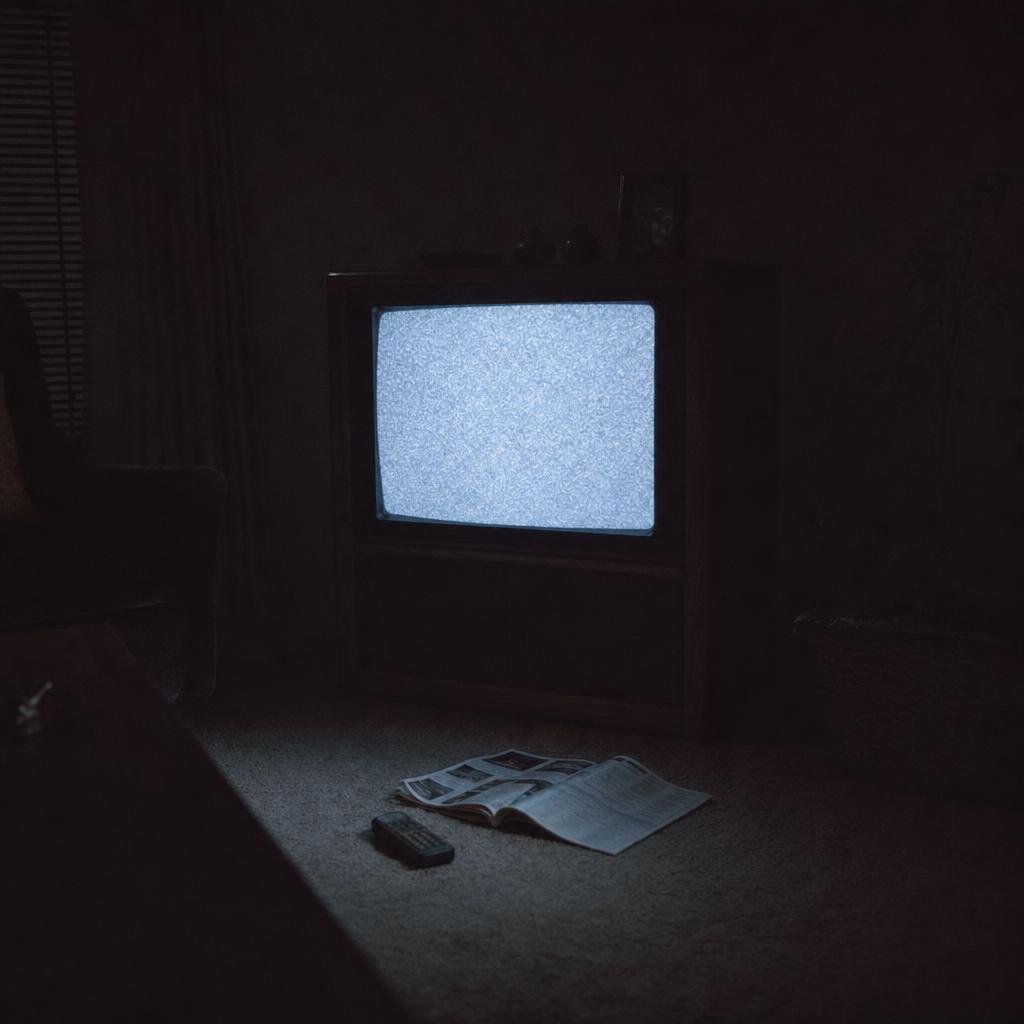
6What the city watched, and the business that decided what it would watch, 1989–2001.
Television
- 6.1The Inherited Medium
- 6.2Animation: The Window, 1989–1998
- 6.3Prime-Time Drama: The Long Apprenticeship, 1989–2001
- 6.4Sitcoms: The Last Mass Genre, 1989–2001
- 6.5Cable: The Dial and the Bet, 1989–2001
- 6.6Late Night
- 6.7The Unadmitted Forms, 1989–2001
- 6.8The Borrowed Grammar: Formal Innovation, 1989–2001
- 6.9The Water Cooler, 1990–2001
- 6.10The Two Routes, 1987–1997
- 6.11The Difficult Men, 1989–2001
 7
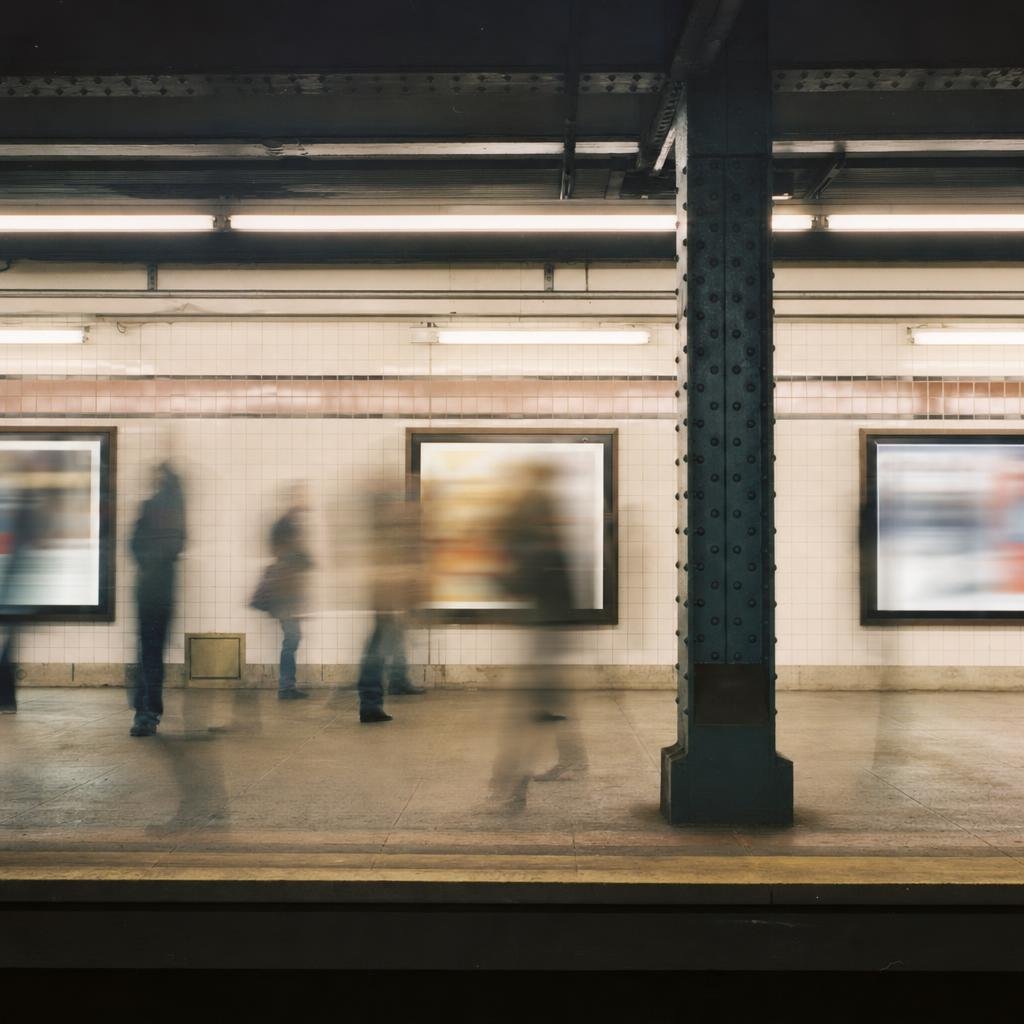
7Transit, sound, light, communication. The sensory grammar of moving through New York.
The Body in the City
- 7.1Transit: The Token Era, 1953–1994
- 7.2Transit: The Subway Aesthetic Shift, 1989–2001
- 7.3Transit: The MetroCard Transition, 1994–2001
- 7.4Communication: The Phone, the Pager, the Payphone, 1989–1996
- 7.5Communication: The Digital Transition, 1994–2001
- 7.6Sound: The Auditory City, 1989–2001
- 7.7Light: The Visual City
- 7.8The Foreign Correspondent's Body: Re-Entry
- 7.9West Berlin on the Phone: The Transatlantic Call
- 7.10Speech Register and Lexical Dating, 1989–2001
 8
8What people wore, owned, and bought. Class made visible in objects — the coat, the watch, the apartment, the shelf, the cup of coffee.
Fashion and Material Culture
- 8.1Recession Minimalism, 1989–1993
- 8.2Grunge and Its Co-optation, 1992–1995
- 8.3Club Kids and Streetwear, 1994–1997
- 8.4Heroin Chic, the Luxury Return, and the Office Siren, 1996–2001
- 8.5Watches and Class Signals
- 8.6Working-Class Material Culture: The Morris Heights Apartment
- 8.7Elite Material Culture: The Upper East Side Apartment
- 8.8The Bookshelf as Biography
- 8.9Groceries, Bodegas, and the Food Economy, 1989–2001
- 8.10Beauty, Hair, and Grooming, 1989–2001
 9
9The city after dark and the rooms below the magazine floor — jazz and hip-hop, the club and the ball, the diner counter and the loft party, the media party and the art market, and the crackdowns that closed the night.
Nightlife and the Underground
- 9.1Chumley's: The Unmarked Door, 1989
- 9.2Two Rooms: Jazz Uptown and Down, 1989–2001
- 9.3The Dial: A Map of Who Lived Where, 1989–2001
- 9.4Hip-Hop: The Decade the Floor Did Not Cover, 1989–2001
- 9.5Nevermind: How the Music Press Told the Floor What to Think, 1989–2001
- 9.6The House: Ballroom as Mutual Aid, 1989–1998
- 9.7The Big Rooms: Limelight, Tunnel, Sound Factory, 1989–2001
- 9.8Third Street: The Nuyorican and the Slam, 1989
- 9.9After the Kitchen Closes: The Restaurant at Night, 1989–2001
- 9.10The Guest List: Who Came to the Opening, 1991
- 9.11Closing Time: The Crackdown on the Night, 1994–2001
- 9.12Not Just Dying: Gay New York Living, 1989–2001
- 9.13Girls to the Front: Riot Grrrl and the Zine, 1991–2001
- 9.14What Was On in the Cab: Talk Radio, 1989–2001
- 9.15The Favor Bank: The Party as Professional Machine, 1989–2001
- 9.16The Great Massacre: The Art Market and Its Frauds, 1989–2001