IV
The Interior Life
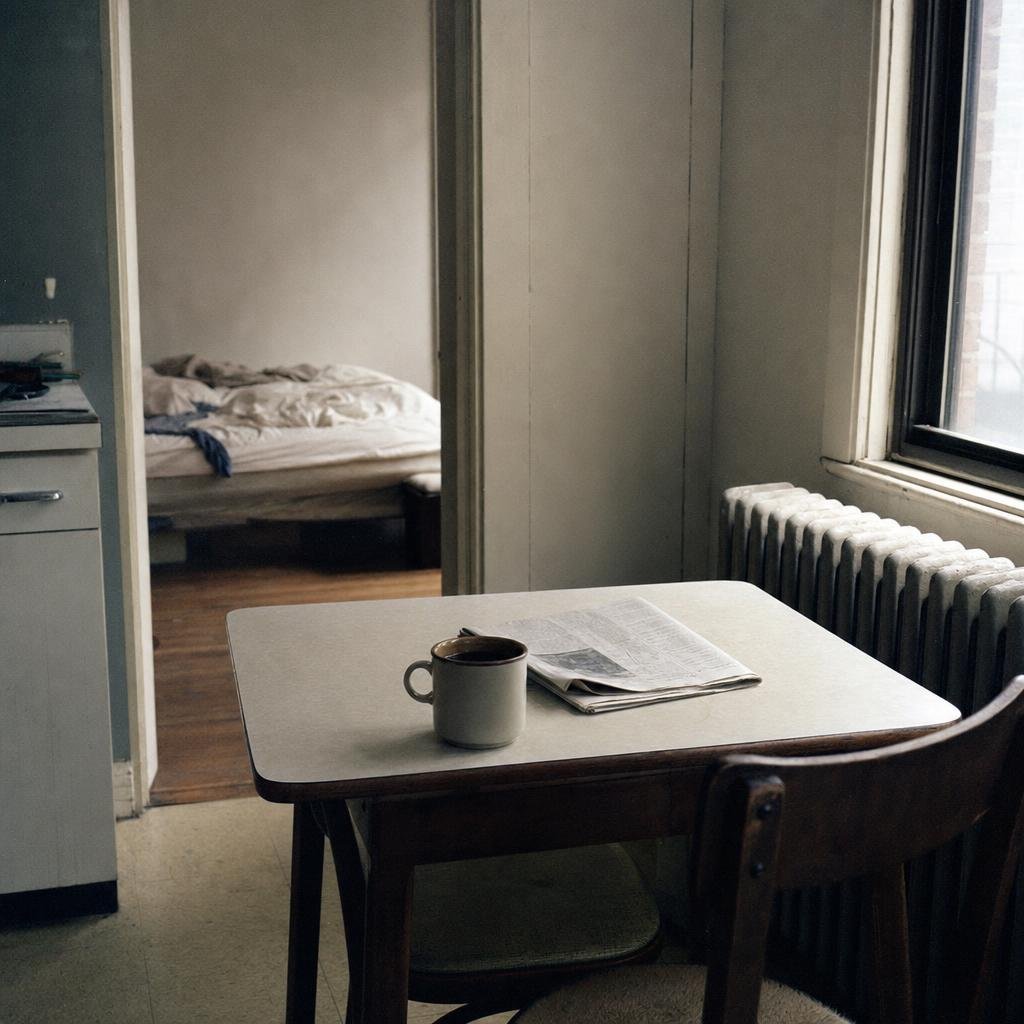
What the decade looked like from inside an apartment, inside a body. The texture of living in New York before the internet made solitude different.
 10
10What the decade looked like from inside an apartment — the body, the habits, the rituals nobody watches. Solitude and its furniture, the daily logistics of eating and drinking, the maintenance of a life, mental health and spiritual practice, sex and dating, drugs and gambling, the ordinariness of petty violence, children, and disability.
The Private Life
- 10.1Alone in the Apartment: The Television, the Phone, and the Texture of Solitude, 1989–2001
- 10.2The Body's Daily Logistics: Eating, Drinking, and the Long Death of the Lunch, 1989–2001
- 10.3The Maintenance of a Life: Smoke, Mail, and the Domestic Interior, 1989–2001
- 10.4The Couch and the Capsule: Mental Health as Lived Practice, 1989–2001
- 10.5Higher Powers: Twelve-Step, Yoga, and the New Metaphysics, 1989–2001
- 10.6Bodies, Sex, and the Logistics of Desire, 1989–2001
- 10.7The Score: Drug Acquisition as Lived Practice, 1989–2001
- 10.8Money Out of Pocket: Gambling, Vice, and the Cash Economy, 1989–2001
- 10.9Ordinary Violence: Petty Crime, Harassment, and the Managed Risk, 1989–2001
- 10.10Children and Parenthood in New York, 1989–2001
- 10.11The Six-Inch Curb: Disability and Accessibility, 1989–2001
 11
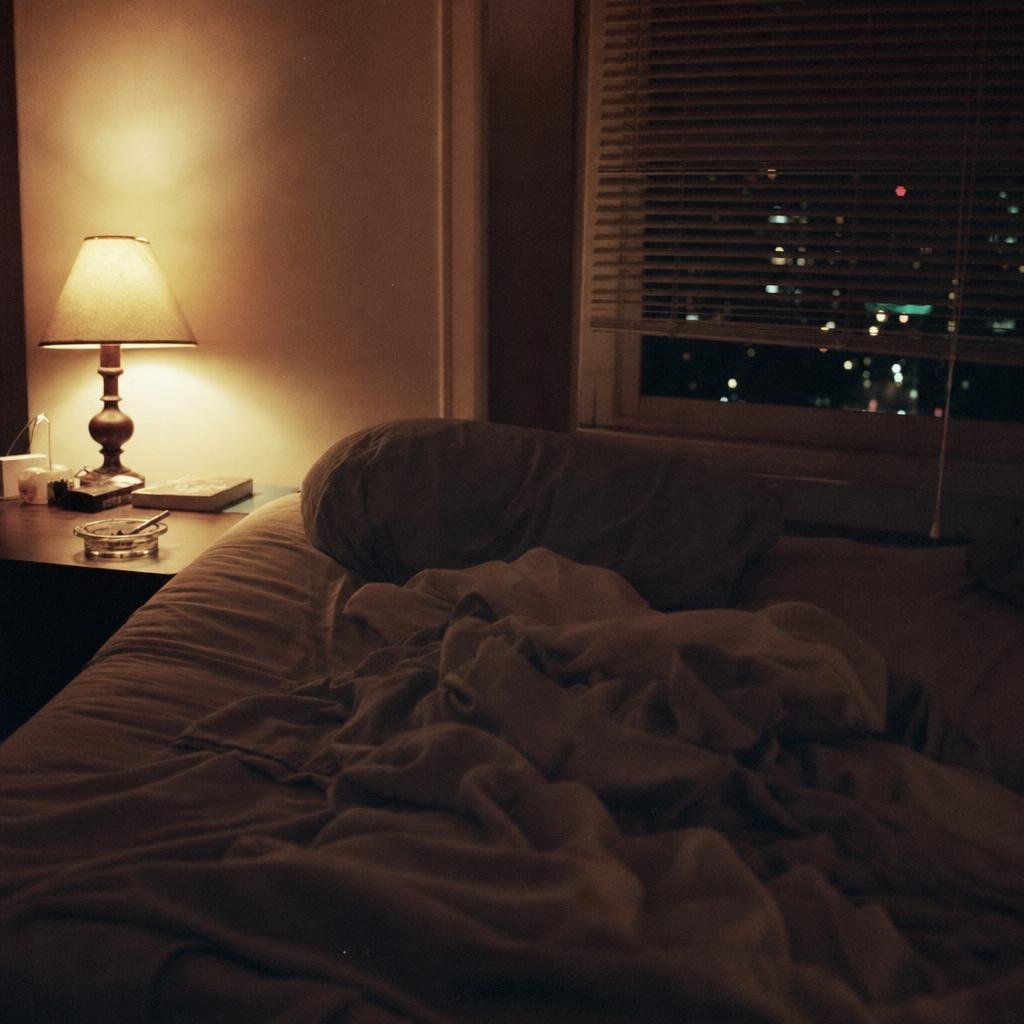
11The parts that get smoothed over — the specific texture of desire in a decade between AIDS and the internet, after the baths closed and before the screen, after the consent vocabulary existed but before it landed. The rougher register of sex and power on an editorial floor; the physical map of the erotic city and its displacement; and the private economy of pornography as it migrated from the newsstand rack to the paysite.